
Delta Carbon Program
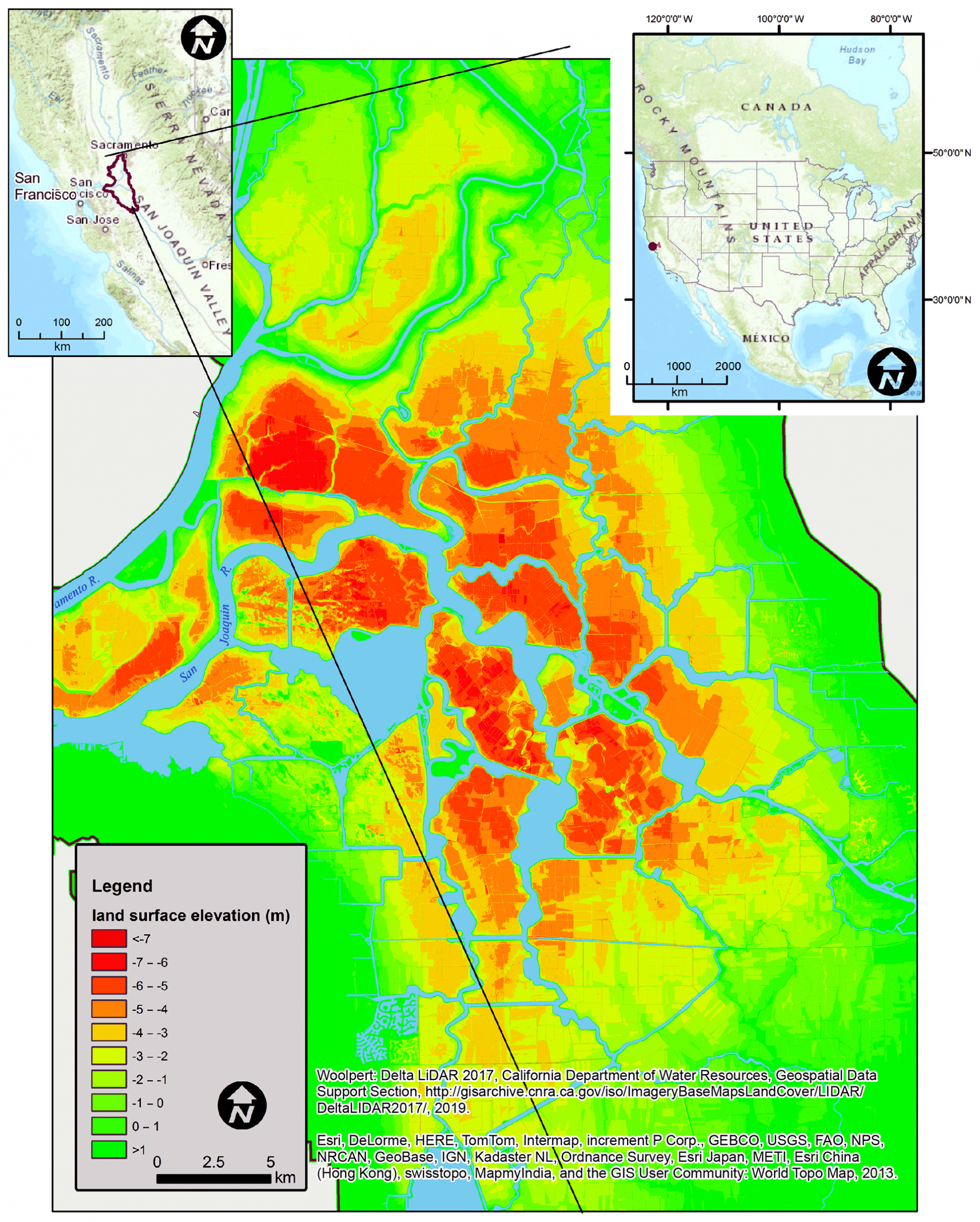
Subsidence of the highly organic peat soils in the Sacramento-San Joaquin Delta has resulted in over 150,000 acres of land up to 25 feet below sea level. The ongoing oxidation process produces 1.2 million metric tons of carbon emissions per year and puts Delta islands, communities, and agriculture at a high risk of flooding. Additionally, as a major hub of California’s water supply, the subsidence represents a significant risk to the water supply for more than 27 million Californians and over 3 million acres of agriculture in the San Joaquin Valley.
Subsidence causes:
- Increased vulnerability to flooding: The loss of organic soil puts greater stress on levees, increasing their risk of failure.
- Threats to water supply: Delta levee failures can in turn threaten water supply by allowing San Francisco Bay seawater to enter areas that are critical to the distribution of freshwater.
- Greenhouse gas emissions: Oxidation of the rich peat soil in the Delta releases carbon dioxide into the atmosphere that has an outsized greenhouse gas impact relative to other natural working lands in California.
Nature-Based Climate Solutions in the Delta
Alternate land use provides a solution to subsidence. Re-wetting Delta land by creating managed wetlands or conversion to rice cultivation will stop or reduce oxidation, which in turn will:
- Lower greenhouse gas emissions
- Reverse subsidence
- Create new sources of revenue for landowners
- Reduce pressure on levees over time
- Enhance biodiversity by creating habitat for migratory birds and other threatened or endangered species
This re-wetting of the land is an example of nature-based climate solutions in action. Nature-based climate solutions – such as restoration, conservation, and land management actions – increase net carbon sequestration or reduce greenhouse gas emissions in natural and working lands.
Assembly Bill 1757 (2022, C. Garcia and R. Rivas) called for a suite of actions to center nature-based climate solutions in California and to expand their implementation with best available science. Additionally, as detailed in California’s Nature-Based Solutions Climate Targets, the state has established an ambitious target to re-wet 50,000 acres of deeply subsided Delta lands by 2045, in addition to projects completed prior to 2025.
Delta Carbon Team
In 2025, the Conservancy established a collaborative Delta Carbon Team, which is co-led with staff from The Nature Conservancy. This team brings together people working on Delta carbon issues to improve collaboration and make progress toward reversing subsidence and reducing associated greenhouse gas emissions while maintaining economic viability and improving climate resilience for Delta lands.
The team meets quarterly to discuss progress and share resources. For more information on the Delta Carbon Team and how to get involved, contact Lauren Damon at lauren.damon@deltaconservancy.ca.gov.
The Delta Conservancy has provided funding for the following nature-based climate solutions projects:
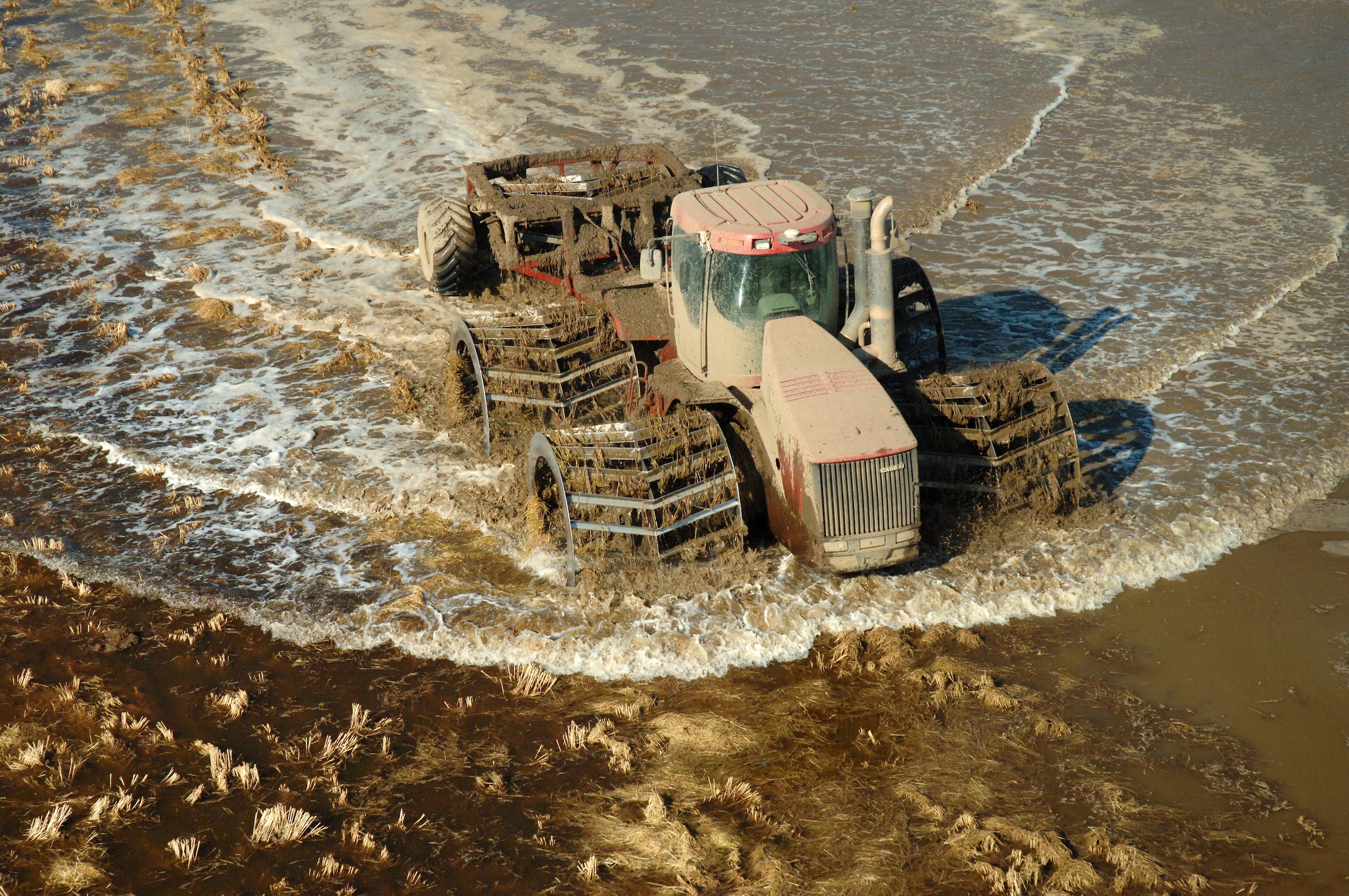
Wetland Mosaic Landscape on Webb Tract: Restoration of a 5,500-acre, deeply subsided Contra Costa County island previously used for cattle grazing. Restoration of Webb Tract includes converting up to 1,500 acres to rice cultivation and about 2,400 acres to managed wetlands. This process involves earth moving and water infrastructure placement to allow for management of water levels to support planting of rice or native wetland vegetation.
Watch a video about Webb Tract
Delta Rice Conversion Program: Program incentivizing farmers to convert to rice cultivation by providing up to $800 per acre for conversion costs. Many small farmers are interested in rice farming to stop subsidence and as a higher value commodity, but they cannot secure loans to cover the initial conversion costs.
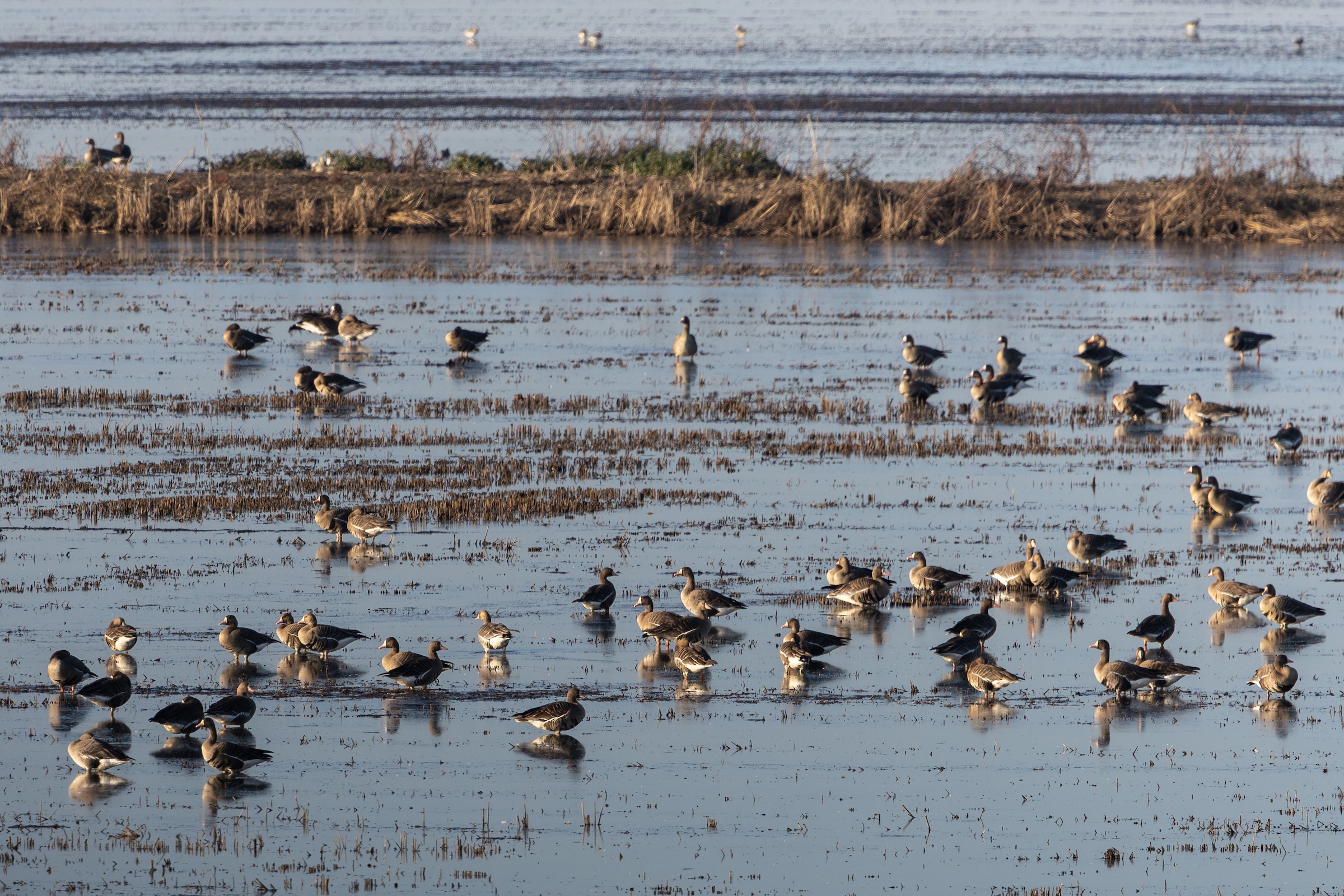
Staten Island Wetland Restoration: Project to restore 423 acres on a deeply subsided island in San Joaquin County. Staten Island is used as a sustainable, wildlife-friendly farm, and the wetlands will ensure long-term viability by complementing the farming operations through recirculated water and reversing subsidence.
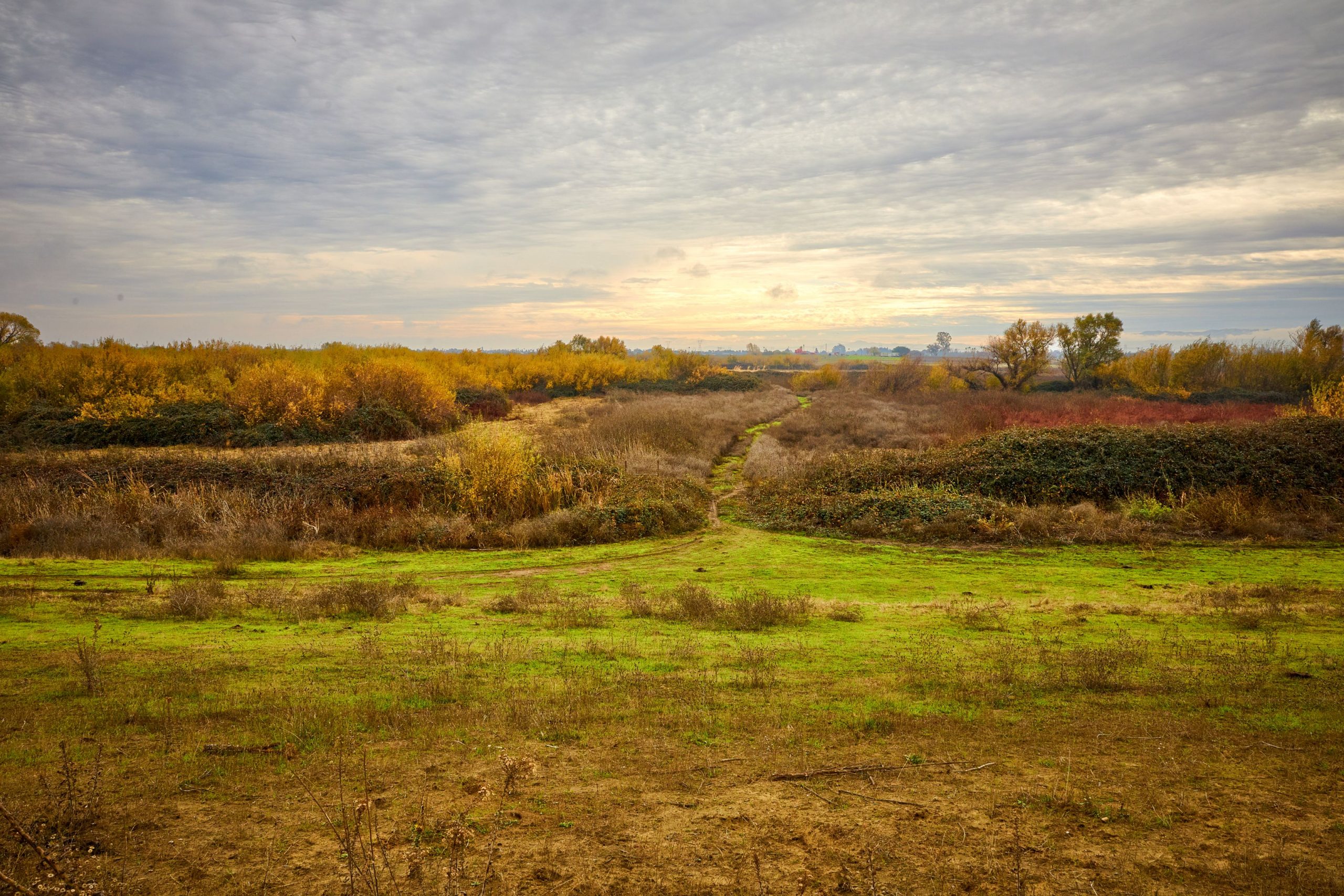
Hoover Ranch Restoration: Acquisition of Hoover Ranch, a 600-acre property on Bethel Island in Contra Costa County, for permanent environmental protection and stewardship. Project goals include reversing the loss of native wetlands, improving habitat for a variety of species, stabilizing local levees and water supplies, sequestering carbon, and offering a scenic spot for people to enjoy the Delta.
Resources
- CNRA: Accelerating Nature-Based Solutions to Achieve California’s Climate Change Goals
- Delta Conservancy Projects
- Delta Adapts: Creating a Climate Resilient Future
- Delta Stewardship Council: Subsidence Reversal and Carbon Sequestration
- Save The Peat, Save The Planet, Save The Delta?
- Frontiers for Young Minds: The Dangerous Disappearance of Delta Dirt